

The best supplements for equine joints
15/08/2025
The Role of Collagen and Nutrition in the Horse’s Joint Health
13/02/2026Urgent alert for horse owners: San Antonio Rodeo qualifier canceled due to EHV-1 outbreak
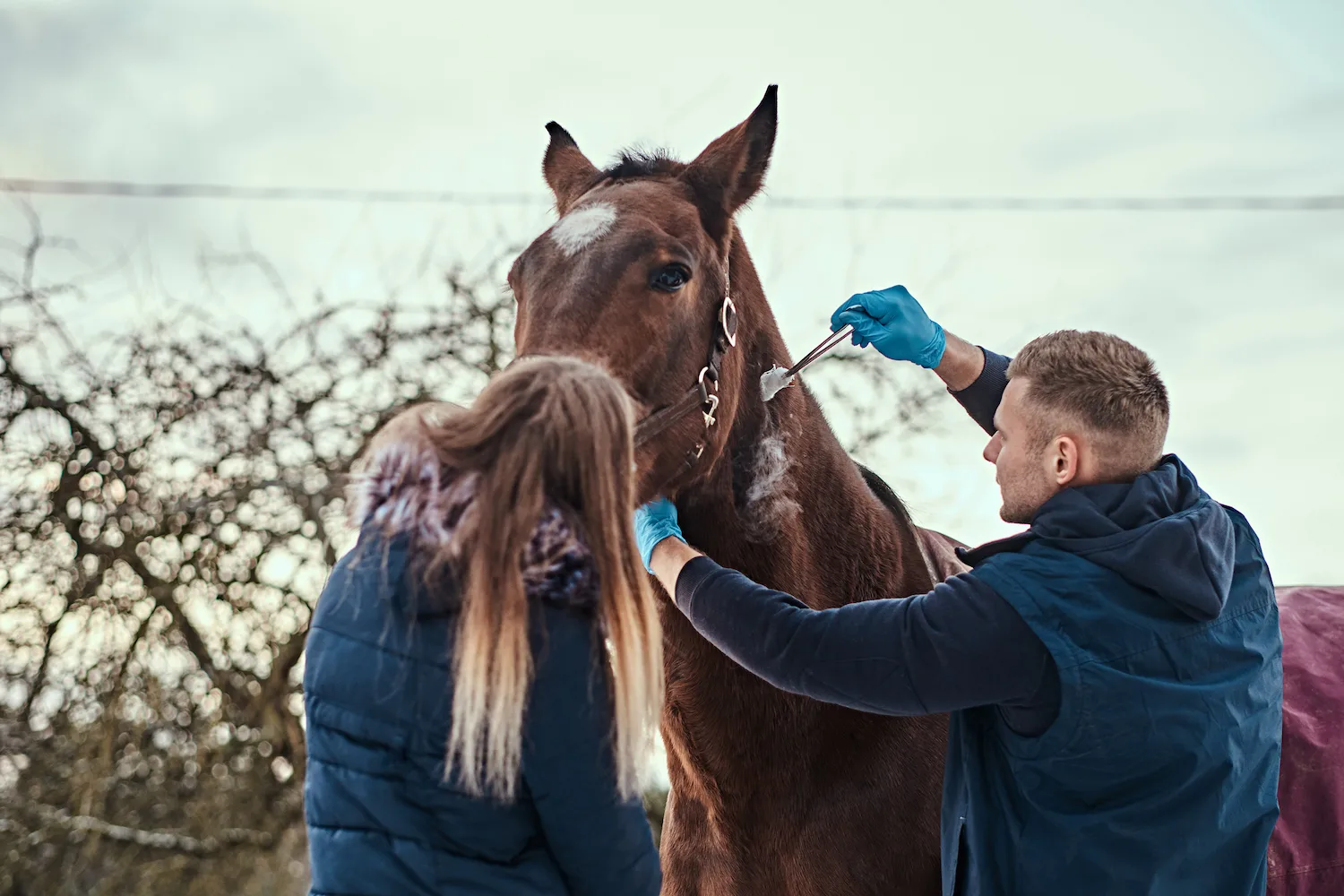
The Texas equine community is currently on high alert following the cancellation of the Uvalde Rodeo Qualifier, a key event for the prestigious San Antonio Stock Show & Rodeo. Officials took this drastic measure earlier this week to protect the animals from a growing outbreak of Equine Herpesvirus-1 (EHV-1), a highly contagious and potentially deadly virus.
If you're a horse owner, trainer, or rodeo fan, here's everything you need to know about the situation, the virus, and how to keep your horses safe.
Cancellation: Safety first
The Uvalde Rodeo Qualifier was scheduled to run through last Saturday, offering competitors the chance to secure a spot at the San Antonio Rodeo next February. However, in a joint decision by the San Antonio Stock Show & Rodeo, the Women's Professional Rodeo Association (WPRA), and the Professional Cowboys Rodeo Association (PRCA), the event was canceled.
Chris Derby, Marketing Director of the San Antonio Stock Show & Rodeo, emphasized that the decision was purely precautionary. "None of the horses infected with the disease made it to Uvalde," Derby stated. "We did this as a precaution... with this cancellation, it was all about the safety of our animal athletes."
The origin of the outbreak
Veterinarians and state officials have linked the current surge in cases to the WPRA World Finals and Elite Barrel Racing, which took place in Waco, Texas, from November 5-9, 2025. Following the event, several horses began showing symptoms, and the virus has since been detected in horses in multiple states, including Texas, Oklahoma, Louisiana, Colorado, and New Mexico.
Tragically, veterinarians have confirmed that the outbreak has already claimed the lives of several horses. The circulating strain appears to be particularly aggressive, capable of causing Equine Herpesvirus Myeloencephalopathy (EHM), the severe neurological form of the disease.
Understanding the EHV-1
Equine Herpesvirus-1 (EHV-1) is a virus that affects horses worldwide, but outbreaks like this are a major concern because of how easily it is transmitted.
- How it spreads: The virus spreads through direct horse-to-horse contact (nose to nose), but also indirectly through contaminated equipment (tackle, feed buckets, water troughs) and even on human clothing and hands.
- Symptoms: Common signs include respiratory problems (cough, nasal discharge) and fever. In severe neurological cases (EHM), horses may show lack of coordination, lethargy, head tilt, and an inability to stand.
- Risk to humans: It is important to note that EHV-1 does not pose a health risk to humans, but humans can easily act as carriers, spreading the virus from one horse to another.
Critical Tips for Horse Owners
The Texas Animal Health Commission (TAHC) and local veterinarians, including Dr. Michael Martin and Dr. Semira Mancill, urge owners to exercise extreme caution.
- Isolate: If your horse attended the Waco event or has been exposed to horses that did, isolate the animal immediately for at least 14 days.
- Monitor: Check your horse's temperature twice a day. Fever (typically above 102.5°F / 39.1°C) is often the first sign of infection.
- Biosecurity: Do not share tack, water buckets, or grooming supplies. Wash your hands thoroughly and change your clothes between handling different horses.
- Limit travel: Consider restricting travel and mixing with other horses until the outbreak is contained.
Looking to the future
Despite the current challenges, officials remain optimistic about the main event in February. The San Antonio Stock Show & Rodeo expects to proceed as planned, provided the spread is contained. "I don't foresee any problems for February," Derby added. "But we will definitely be monitoring the situation."
Stay vigilant and keep your horses safe.
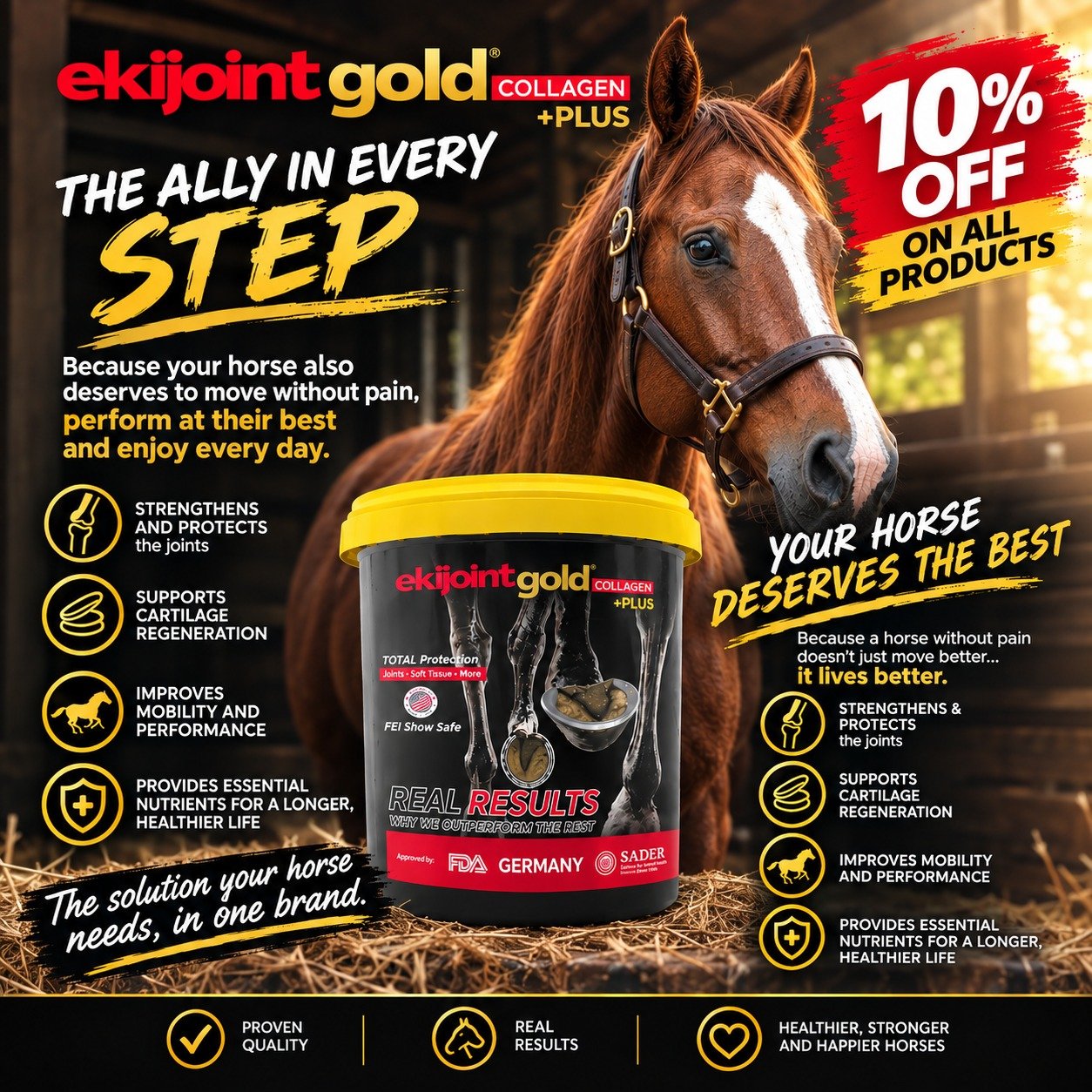
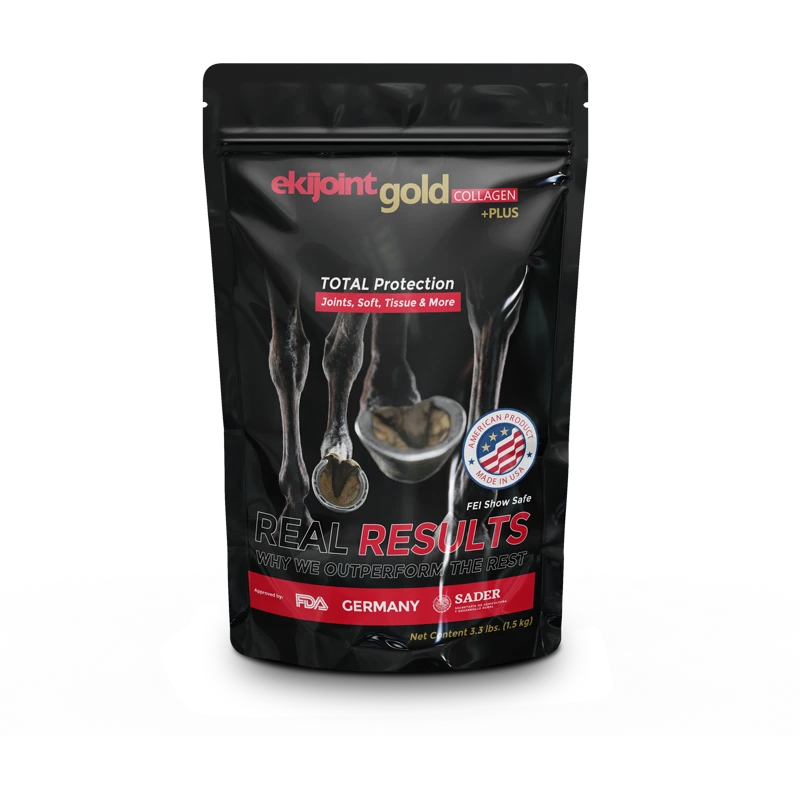
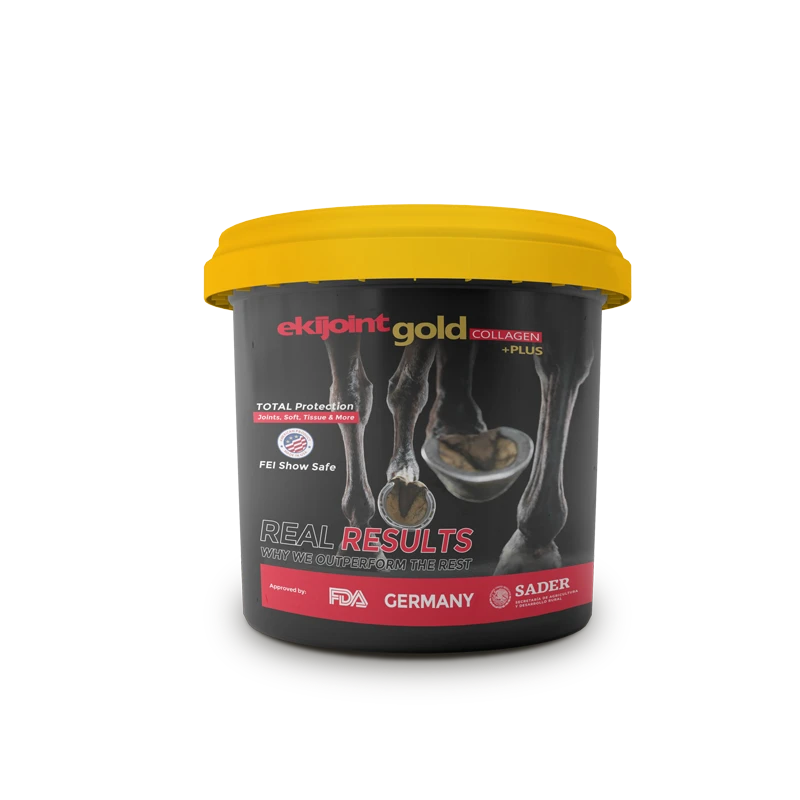
Ekijointgold is a powerful option for those looking to strengthen their horse's joint system and restore the mobility needed for an active and healthy life.